Did You Know Copacabana Beach Has These Unique Vendors?
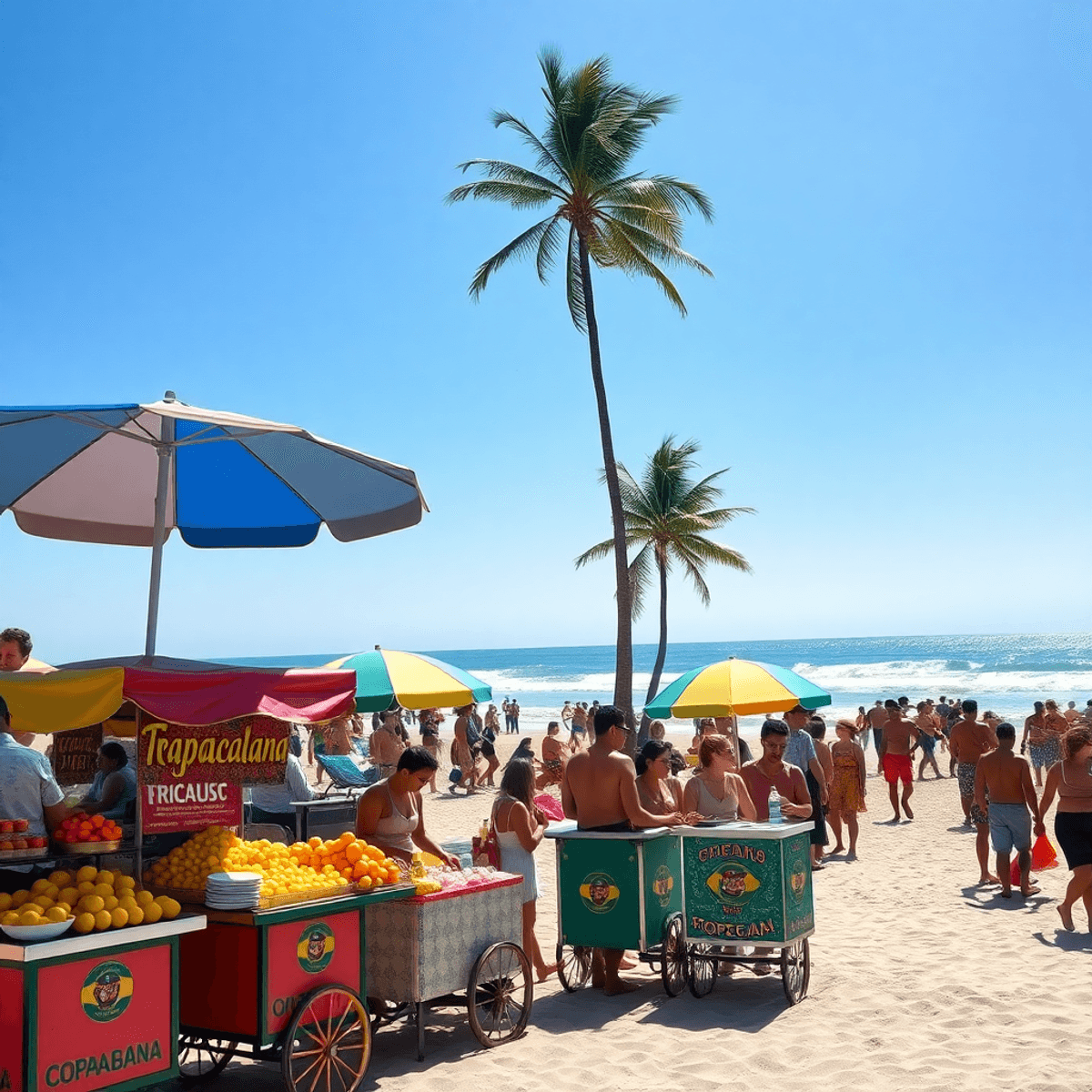
Copacabana Beach in Rio de Janeiro, Brazil, is a great place that shows both the wonder of nature and the energy of a busy city. The beach is known all over the world for its long line of golden sand and its unique curved look. Every year, many people come to this famous spot to feel the sun on their skin and take in the lively feel that makes Rio de Janeiro so special.
One of the key things that make this place feel special is the presence of beach vendors. These people give you more than goods. They bring life to Copacabana by offering many types of Brazilian food, cold drinks, and things made by local people. What they give lets you enjoy true Brazilian taste and see handmade crafts that show what Brazilian culture is all about.
While interacting with these vendors can enhance your experience as a visitor, it's important to be mindful of certain aspects that may impact your interactions. For example, being familiar with some unexpected descriptive words used by vendors can help you navigate your shopping experience more smoothly. Additionally, knowing how to safeguard yourself from potential manipulative behavior during these transactions is crucial.
This article provides an overview of beach vendors at Copacabana Rio De Janeiro Brazil. It explores the wide range of products they offer—from shrimp skewers and Biscoito Globo to colorful pareos and football jerseys. It also delves into how these vendors enhance the visitor experience by blending commerce with cultural connection while supporting a vital part of the community's daily life. Furthermore, it highlights any controlling tendencies exposed in such environments and discusses mastering communication alternative methods for better interactions.
Overview of Copacabana Beach
Copacabana Beach sits on the Brazilian coastline and goes for about 4 kilometers in the southern part of Rio de Janeiro. This area is known as Brazil's lively cultural heart. The famous Rio de Janeiro beach is more than just sand. It is a place where the city's busy life and natural beauty come together.
Geographic and Physical Features
Location: Copacabana sits between the Leme and Ipanema areas. It faces the big Atlantic Ocean. People come from all over the world to see the wide ocean from here every year.
Size: The wide beach has room for thousands of people each day. There is a special black-and-white walkway with wave shapes made by Roberto Burle Marx. This helps make the beach stand out.
Historical Significance
Copacabana started out in the early 20th century as a small fishing village. Over time, it grew into a lively place by the sea. It soon became a well-known spot for Rio’s new style and busy social life. The beach has been the place for many big moments in Brazil, with important events, political gatherings, and fun cultural days that show how the country is always changing.
Cultural Impact on Rio de Janeiro
The area around Copacabana beach is full of people from many places. It shows the feel of samba, bossa nova music, and carnival parties. People who live there and those who visit come together. They spend free time and join in fun group events. These things have helped make Rio known all over the world.
Unique Attractions and Features
Promenade Design: The well-known black-and-white Portuguese pavement shows the rolling ocean waves. It shows how people work hard on good city planning.
Beach Activities: Volleyball courts, outdoor gyms, and areas for capoeira keep the place full of life.
Restaurants and Bars: Food stands by the beach serve local food and let you enjoy wide ocean views.
Nearby Landmarks and Events
Several world-famous sites are within easy reach:
Sugarloaf Mountain (Pão de Açúcar): The cable cars let you see great views over the Rio skyline.
Christ the Redeemer Statue (Cristo Redentor): This famous statue stands high on Corcovado Mountain. People all over the world know it.
Every year, festivals like New Year’s Eve Réveillon bring in big crowds. People go there to enjoy fireworks, music, and make special offerings to Yemanjá. This helps to bring spiritual traditions into the city and make them a part of daily life.
This mix of natural beauty, strong history, and busy city life makes Copacabana Beach a place you must see on the Brazilian coastline. People selling different things at the beach help make it feel even more special. They offer food and small gifts that show off all the things people from the city love.
In navigating this vibrant environment, it's interesting to note how certain aspects can influence human behavior. For instance, the secrets of human mind manipulation can be observed in various interactions along the beach. From vendors employing subtle psychological tactics to sell their goods to individuals using alternative expressions for controlling conversations or situations in their favor.
Moreover, understanding these dynamics can provide a fresh approach to discuss various topics related to human interaction.
The Vibrant World of Beach Vendors at Copacabana
The famous Copacabana Beach is known for its beautiful views and busy feel. You can find many beach vendors here. They help bring life to this place. These street sellers and local businesses work together. They sell many things and show the real spirit of Brazil. People who visit this beach get to try true Brazilian food and see handmade crafts.
Types of Goods Sold by Vendors
Beach vendors at Copacabana sell many different things to meet what tourists and locals want. They have food, drinks, souvenirs, and beach essentials for sale.
Food Offerings
The food vendors here serve up an enticing selection of traditional and popular Brazilian snacks alongside more familiar treats:
- Shrimp skewers: Freshly grilled shrimp threaded on sticks, seasoned with local spices, providing a savory snack perfect for the beach setting.
- Sandwiches: Often filled with meats like ham or chicken, complemented by fresh vegetables and sauces, these portable meals offer quick sustenance.
- Ice cream and sorbets: Including regional specialties like açaí sorbets—a frozen treat made from the Amazonian berry known for its rich flavor and health benefits.
- Peanuts: Roasted or salted peanuts are a crunchy favorite among sunbathers seeking a light snack.
- Biscoito Globo: A quintessential Brazilian snack, these crispy tapioca flour biscuits fried in coconut oil have achieved iconic status among beachgoers.
- Jabuticaba popsicles: These popsicles showcase the jabuticaba fruit native to Brazil, offering a refreshing burst of sweet-tart flavor unique to this region.
- Additionally, if you're interested in exploring more about top foods to try in Brazil, the beach vendors at Copacabana offer a great sampling.
Popular Drinks
Hydration meets tradition in the beverage offerings:
- Cold beverages: Bottled water, soft drinks, and fruit juices are staples for combating the tropical heat.
- Caipirinhas: This world-famous Brazilian cocktail combines cachaça (a distilled sugarcane spirit), lime, sugar, and ice. Vendors skillfully prepare caipirinhas in portable containers to serve chilled refreshment directly on the sand.
- Local beers such as Brahma and Antarctica enhance the beach experience with their crisp taste.
Souvenirs
Beach vendors also specialize in selling souvenirs that capture the essence of Rio’s vibrant culture:
- Tee-shirts emblazoned with logos or colorful designs reflecting Copacabana’s identity.
- Bikinis tailored for sunbathers eager to embrace the Brazilian beachwear style.
- Football jerseys representing local teams or Brazil’s national pride in soccer.
- Pareos brightly colored wraps that serve as versatile beach garments or blankets.
- Handmade accessories including bracelets, necklaces, hats, and even handbags crafted from recycled materials such as soda can rings showcase both creativity and sustainability.
Beach Essentials
Interaction with Tourists
The presence of beach vendors along Copacabana Beach shapes not only the marketplace but also the social fabric of this iconic destination. These street sellers and local businesses have mastered the art of engaging a diverse crowd, adapting their approaches to meet the expectations of both Brazilian beachgoers and international visitors.
1. Multilingual Communication
Many Copacabana vendors can speak Portuguese, English, Spanish, and sometimes other languages like French or German. Their ability to use more than one language helps them talk well with people from all over the world. This makes the buying experience better and helps them get along with their customers.
2. Friendly Banter and Negotiation
You can often see the vendors calling out to people as they walk by. They offer samples or say there is a discount. Their way is easy and friendly. This helps make a place feel more open and social. People also like to talk with the vendors about the price, which is normal here. This back and forth can end with a better deal for them and the vendor, and both feel happy about it.
3. Personal Narratives and Local Roots
Long-time vendors talk about their lives in the nearby neighborhoods or favelas. They give people a look into Rio’s busy and friendly community life that is away from the beach. When they share these stories, it makes buying something feel more special and brings more meaning to the moment.
4. Vendor Mobility
All day, these sellers go back and forth from the sand to the promenade area. They change where they are, depending on the number of people and the time. By doing this, they keep talking to tourists who come to see different parts of Copacabana.
5. Range of Offerings Enhances Interaction
You can find all kinds of things from the vendors. There are tasty treats like Biscoito Globo from Brazil. You will see useful items for the beach like sunscreen. You can also pick up nice souvenirs such as football jerseys and handmade things to wear. These vendors make it easy for people to meet, talk, and learn from each other’s culture.
The way that vendors are friendly, open to changes, and have many products to offer helps shape the busy feel you find at Copacabana Beach. This is a big part of what people feel and experience when they visit.
Economic Impact of Vendors on the Local Community
The beach vendors at Copacabana are more than just sellers; they play a crucial role in supporting the local economy and vendor livelihoods in Rio de Janeiro. Many vendors come from nearby favela communities or residential neighborhoods, where informal commerce serves as a primary source of income for families. This connection creates a direct link between the lively beachfront and the often neglected urban areas beyond.
Key aspects of their economic impact include:
- Supporting local families: Earnings from daily sales help sustain households, funding essentials such as education, healthcare, and food. The informal nature of their work allows many to balance family responsibilities while generating income.
- Link to favela communities: Vendors often live in favelas situated close to Copacabana, which enables them to maintain strong social ties within these communities. Their earnings contribute to local spending power and stimulate micro-economies within these neighborhoods.
- Contribution to the informal economy: The beach vendor trade constitutes a significant segment of Rio’s informal economy, providing jobs that do not require formal contracts or licenses but are crucial for reducing unemployment rates.
- Tourism-related income generation: Tourists flocking to Copacabana create steady demand for goods and services offered by vendors. This influx of visitors injects capital directly into the hands of locals, reinforcing the economic fabric surrounding Brazil’s tourism industry.
"Selling on Copacabana is not just about making money; it's about supporting my family back home," shares João, a shrimp skewer vendor who has worked these sands for over fifteen years. "This is my beach, I'm here everyday so do not start with me" shared Bamboo
This mutually beneficial relationship between vendors and their communities plays a vital role in Rio’s resilience and cultural vibrancy. It demonstrates how local commerce can thrive alongside global tourism at one of the world's most famous beaches.
Safety Considerations at Copacabana Beach for Tourists and Vendors Alike
A look at crime at Copacabana Beach shows that there are some problems you find often at busy places with lots of visitors. Pickpocketing and petty theft happen a lot. These crimes hit both tourists and locals the same. It is common in spots where you see many beach vendors. A big group of people makes it easier for some to try to steal what is not theirs. So, people need to stay alert all the time.
Common Safety Challenges
Moving through groups of sellers and making sure your things stay safe.
Not letting pushy sales methods distract you.
Seeing which sellers are not official and may not have the right permission.
Practical Safety Tips
Practical safety tips for visitors when engaging with vendors or walking on the beach include:
- Carrying minimal valuables
- Using secure bags or money belts
- Conducting transactions in well-populated, visible areas
- Remaining alert to surroundings
- Politely declining unwanted offers
- Adopting a mindset that helps in eliminating negative thoughts
These tips can assist in maintaining focus and composure during stressful situations.
Public Safety Initiatives at Copacabana Beach
Public safety plans made by Rio de Janeiro leaders aim to have more police on the Copacabana place beach walk and on the sand. Security cameras and police on patrols help keep people safe, especially when there are many people around. Working with groups of sellers helps make buying things safer by having seller ID badges and making sure sellers follow rules.
Awareness Campaigns
Awareness campaigns speak to tourists. They hand out materials in many languages about Copacabana beach safety tips for tourists. The goal is to help visitors know how to spot honest vendors. People also learn how to report things that do not feel right. These actions help make the beach safer for everyone who comes to enjoy one of Brazil’s top places.
Cultural Significance of Vendors in Rio’s Lifestyle at Copacabana Beach
The beach sellers at Copacabana are more than just people who sell things. They show what the Rio lifestyle is all about and add life to the city's feel on the streets. You can see this in the way people in Rio de Janeiro live every day. There is work, people talking with each other, and everyone is enjoying what makes them special as a group. All of this happens in a fun way beside the sea. From the moment the sellers set up in the morning to when they pack up in the late afternoon, what they do shows local ways and the busy, bright feel of the city.
A Cultural Hub with Historical Significance
Copacabana is a big part of Rio’s culture and history. It sits close to famous places like Sugarloaf Mountain and the well-known Christ the Redeemer statue. These spots help people learn about the area’s past and feel its special spirit. A lot of people visit not just for the beach, but for these places too. They can join in tours and hikes to see more of Rio’s natural beauty and find out about its storied past.
Exploring Diverse Activities
Visitors have many ways they can explore when they are in Copacabana:
Take a beautiful cable car ride up Sugarloaf Mountain.
Visit Tijuca National Park to see nature and wildlife.
Go on city tours that show old buildings and places where people dance samba.
Celebrating Nature and Culture
Understanding the ecosystem of Copacabana means knowing it is a place with a lot of nature and many people. It’s a spot where festivals and events happen often. People come here to enjoy things like music and sports when these events take place. The places to eat near the beach match this way of life. You can choose from kiosks that sell fresh fruit juices or go to higher-end restaurants that serve seafood dishes.
Easy Transportation for Tourists
Transport around Rio is made convenient with buses, metro lines, and taxis, allowing tourists to easily navigate between Copacabana’s bustling vendor areas and other cultural attractions spread across the cityscape. The vendors' ability to adapt their offerings based on customer preferences demonstrates a deep understanding of mastering the art of influence, which is crucial for their success in this ever-changing marketplace.
Environmental Challenges Facing Copacabana Beach Vendors
The daily work of beach vendors at Copacabana depends a lot on environmental factors. These things shape how they work and how they get money to live.
Weather Changes
Weather changes are one of the biggest challenges people face. Fast, heavy rains in the tropics can stop sales. This can make vendors pack up quickly or look for cover. Strong sun can make people feel very tired. Vendors need to offer lots of items like sun hats and sunscreen to help with this. It is also hard for their own health when it gets too hot.
Pollution
Pollution from trash left by tourists and water running off from the city is a big problem. It affects how clean the sand and water at the beach are. This makes the beach less attractive to people. It also makes it hard for vendors to deal with the trash, especially when there are many people around.
Conservation Initiatives by Local Stakeholders
Local people in the area have taken part in different conservation initiatives. These focus on keeping the place clean and looking after the coastal ecosystem, which can be easily harmed.
Waste collection points are set up at key spots on the beach to help people throw away trash in the right way.
Seller associations work to teach about the environment. They run campaigns to tell sellers how to use less plastic and handle trash in a safe way.
People from the area, visitors, and officials work together in clean-up drives to bring back areas that the pollution has harmed.
The Importance of Preserving Copacabana’s Natural Beauty
Keeping Copacabana looking nice is important not only for people visiting but also for those who make a living selling things here. Local vendors really depend on the beach. It matters that we keep up with rules and efforts that save this area. So, we need to protect the beach and help the vendor culture stay lively at the same time.
Practical Tips for Visiting Copacabana Beach Vendors
Visitors seeking a vibrant experience with the beach vendors at Copacabana will benefit from timing their visit and preparing accordingly. The best times of day to stroll along the beach promenade and explore vendor offerings are typically early morning or late afternoon, when temperatures are milder and crowds thinner. Seasonally, the months from May to October provide a more comfortable climate with less rainfall, enhancing the overall experience.
Transportation to this iconic stretch of Rio de Janeiro is convenient. The metro system connects key points in the city directly to Copacabana, with stations like Cardeal Arcoverde and Cantagalo just a short walk from the beach. Buses and taxis offer additional options, but traffic can be heavy during peak hours.
Awareness about personal belongings is crucial on busy beach walks. Incidents such as “my backpack has been stolen” are unfortunately not uncommon in crowded tourist spots. Practical measures include:
- Keeping valuables close in front-facing bags or money belts
- Avoiding carrying unnecessary items while walking along the promenade
- Staying vigilant in densely packed areas where vendors and tourists mingle
- Using hotel safes or lockers when available
Many vendors talk in more than one language, which helps make the place feel friendly. If you use these travel tips for Copacabana Beach, you can take in the view and try the food safely and with no big problems. This world-famous place has a lot to offer, and being ready helps you get the most out of it.
Recommended Accommodations Near Copacabana Beach
Finding the right hotels near Copacabana Beach stay options Rio de Janeiro means you have to think about comfort, safety, and how close you want to be to things. This area by the beach has many places to stay. You can pick from different hotels. Some of these hotels feel fancy and have views of the ocean. Others are lower in price and feel easy on your budget. Many hostels also sit close to busy spots where there are people selling things.
Lodging Choices Close to Vendor Hotspots
Luxury Hotels: Places like Belmond Copacabana Palace have nice features and are right by the beach. This is good for people who want style and want to be near famous sellers.
Mid-Range Hotels: Choices like Arena Copacabana Hotel are cozy and just a short walk from well-known food stalls and those who sell gifts you can take home.
Boutique Guesthouses and Hostels: These small places, usually run by people who live there, let guests feel like they are part of the real neighborhood. You will also be near people selling things to help with the sun and street food.
Selecting Accommodations: Key Tips
Proximity to Attractions: Stay at hotels found along Avenida Atlântica or just a few blocks back from the beach. You will get some nice beach views. Also, you can reach places like Sugarloaf Mountain fast.
Safety Considerations: Pick places to stay that have good comments from people about safety. A hotel with bright lights near the entrance, all-day front desk help, and a spot to keep your bags safe will be a good choice for peace of mind.
Vendor Access: When you are close to spots where vendors gather, you can easily try treats such as Biscoito Globo or cool açaí sorbets. You will not have to walk far to get them.
This mix of location and comfort makes it easy to enjoy both the beautiful outdoors and the lively shops at Copacabana Beach. It helps people have a better time while they are in Rio de Janeiro.
What makes Copacabana Beach in Rio de Janeiro a world-renowned destination?
Copacabana Beach is known all over the world for being in a beautiful spot on the Brazilian coast. The beach is full of life, and there are many cool things to see. It has a long history, too. A lot of festivals and big events happen here. That is why many people think you should visit this place when you are in Rio de Janeiro.
Who are the beach vendors at Copacabana and what do they offer?
Beach vendors at Copacabana sell food, small shops with keepsakes, and things you need at the beach. You can buy traditional Brazilian food like shrimp on a stick and Biscoito Globo. They also have popular drinks like caipirinhas. You will find keepsakes like football T-shirts and handmade items. They also sell things to help you stay safe in the sun.
How do beach vendors contribute to the visitor experience at Copacabana Beach?
Vendors help make Copacabana feel lively. They offer local snacks, drinks, souvenirs, and things you need. These sellers talk in a friendly way with people. They can speak more than one language. You will see them on the sand and on the walkway by the beach. They help make this place feel welcoming. Because of them, many people have a good time here.
What is the economic impact of beach vendors on the local community near Copacabana?
Beach vendors help local families and the economy a lot. They have close bonds with people in favelas. These vendors add more money to the informal economy, especially from tourists. This income lets people in Rio de Janeiro support their families and make a living.
What safety considerations should tourists keep in mind when visiting Copacabana Beach?
Tourists need to know about safety problems that can happen in busy places with a lot of vendors. A few helpful tips are to always pay close attention when you buy or sell something, listen to public safety rules from local authorities, and stay up-to-date about crime. Doing these things can help you have a safe visit to the beach.
How do beach vendors reflect the cultural lifestyle of Rio de Janeiro at Copacabana Beach?
Beach vendors are a big part of street commerce in Rio. They add to the city's busy and lively feel. You can see them at cultural festivals and many events. They show the history of the city. Beach vendors also help people learn about local ways and how people live each day at this famous beach.


Comments
Post a Comment